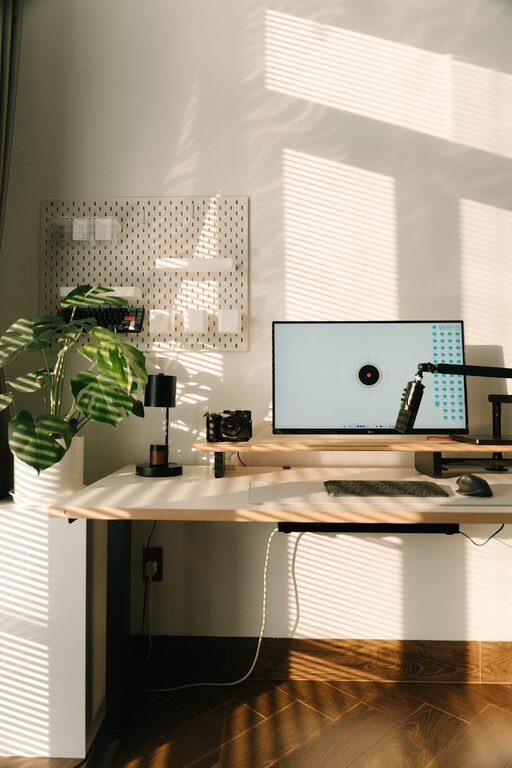
Creating a relaxing home workspace is essential for staying productive and maintaining well-being, especially as more people work remotely. A thoughtfully designed workspace can help reduce stress, improve focus, and foster creativity. In this post, we’ll explore practical tips to transform any home office into a soothing and effective environment.
Choose the Right Location
Finding the perfect spot for your workspace is the first step. Ideally, select a quiet corner or a separate room away from distractions such as television, noisy areas, or high-traffic zones. If space is limited, try using room dividers or screens to create a sense of separation.
Invest in Comfortable Furniture
Ergonomic Chair and Desk
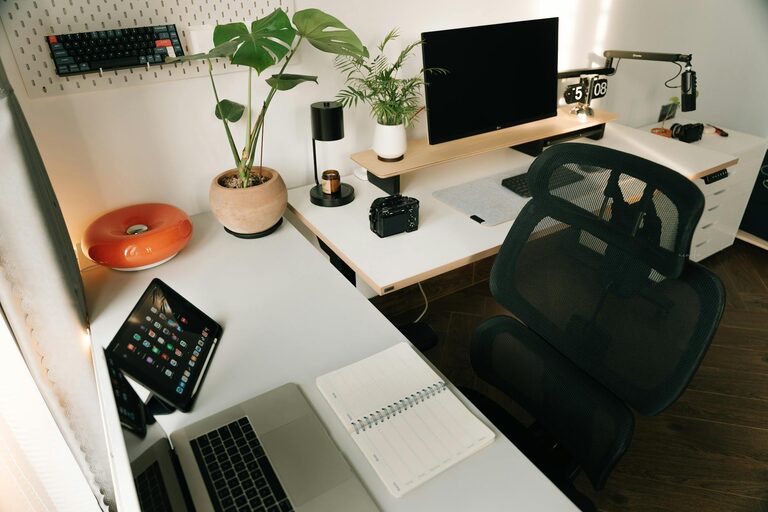
Comfort is key to creating a relaxing workspace. Choose an ergonomic chair that supports your back and encourages good posture. A desk at the right height will prevent strain on your shoulders and wrists.
Personal Touch
Add cushions or a soft throw to your chair for extra comfort. Adjust your seating arrangement so you feel relaxed but alert.
Focus on Lighting
Natural Light
Position your desk near a window if possible. Exposure to natural light helps boost mood, reduces eye strain, and regulates your body’s internal clock.
Task Lighting
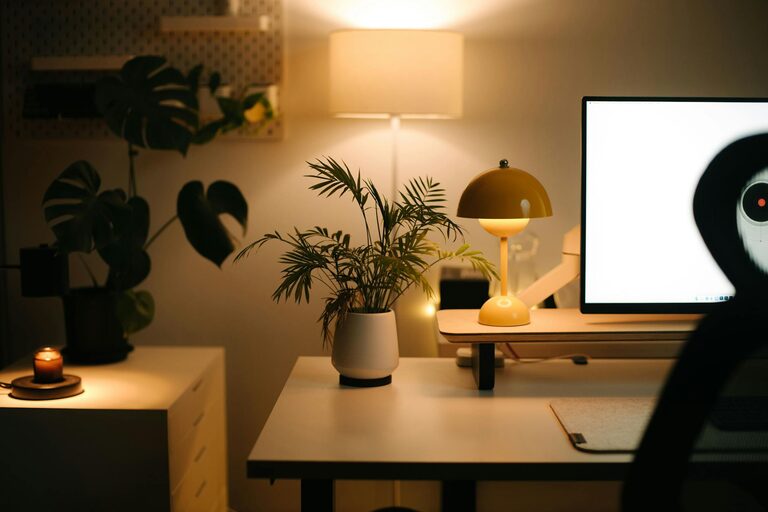
In addition to ambient light, use a desk lamp with adjustable brightness. This helps reduce glare on screens and provides focused light for reading or writing tasks.
Keep the Space Neat and Organized
Declutter Regularly
A clutter-free workspace reduces distractions. Store away items you don’t need daily in drawers or boxes.
Use Organizational Tools
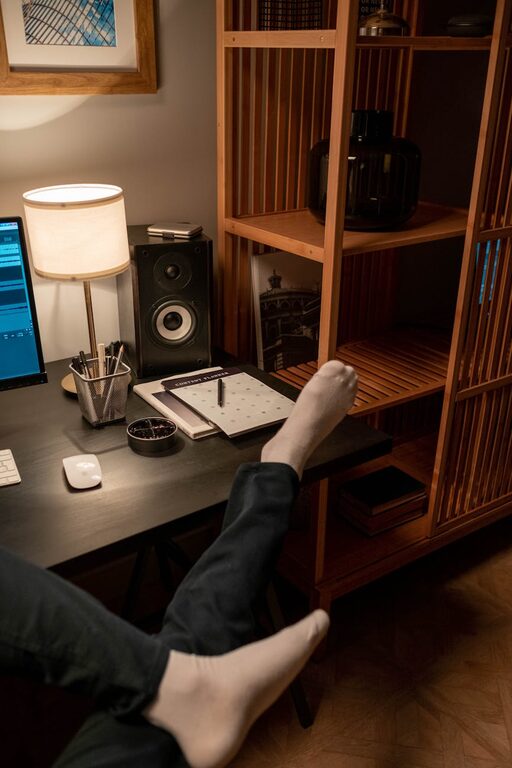
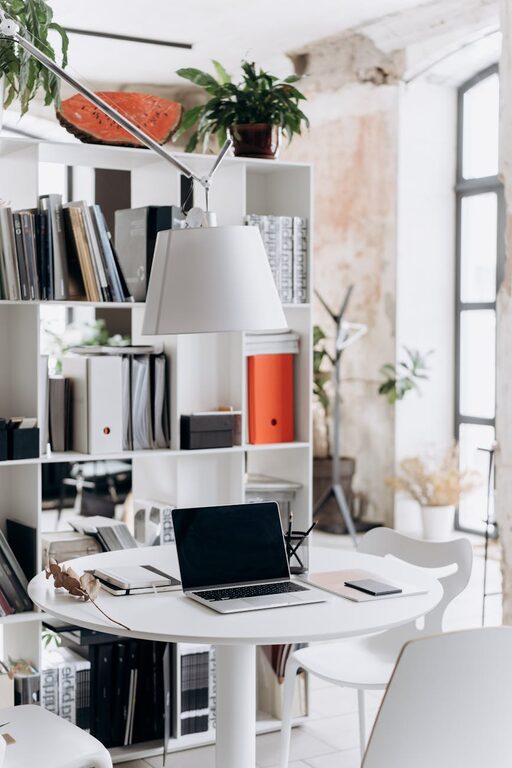
Consider using shelves, filing cabinets, or desk organizers to keep documents and supplies tidy. Label containers to make it easy to find what you need.
Bring Nature Indoors
Adding plants to your workspace can improve air quality and create a peaceful atmosphere. Choose low-maintenance plants like succulents or spider plants if you’re new to gardening.
Personalize Mindfully
Decorate with items that inspire you but avoid overwhelming the space. Frames with favorite photos, art prints, or motivational quotes can add personality without distraction.
Minimize Noise
If silence is important for your concentration, try noise-cancelling headphones or a white noise machine. Soft background music or nature sounds may also help some people focus better.
Maintain Good Air Quality
Ensure your workspace is well-ventilated. Fresh air can increase alertness and prevent discomfort. If you’re unable to open windows often, consider an air purifier.
Establish Daily Routines
Creating rituals around your workday can enhance both relaxation and productivity. For example, start with a few minutes of stretching or meditation before sitting down to work.
Take Regular Breaks
Even in a relaxing setup, it’s important to give your mind and body time to rest. Stand up, walk around, or do light exercises every hour to stay refreshed.
Use Technology Wisely
Keep your devices charged and within reach, but try to minimize screen clutter. Close unnecessary tabs and disable notifications that are not urgent during work hours.
—
By following these tips, you can design a home workspace that feels calm and inviting while supporting your daily tasks. A relaxing environment doesn’t just improve productivity—it also enhances your overall well-being and work satisfaction. Start making small changes today and enjoy the positive impact on your work-from-home experience!
About the Author