Creating a relaxing home workspace is essential for anyone who spends extended periods working from home. A well-designed workspace not only helps you stay productive but also promotes comfort and reduces stress. In this post, we’ll explore simple yet effective ways to create a home office environment that supports your work and well-being.
Why a Relaxing Workspace Matters
When your workspace feels calm and inviting, your focus improves, and distractions fade into the background. This peaceful environment helps reduce fatigue and burnout, making it easier to maintain consistent productivity throughout the day. Comfort is also key; sitting in a supportive chair or having proper lighting can prevent discomfort that otherwise interrupts your workflow.
Choose the Right Location
Find a Quiet Spot
Look for a space in your home that experiences minimal noise and foot traffic, such as a spare room or a quiet corner. Avoid areas near busy household activities like the kitchen or living room to keep distractions low.
Consider Natural Light
If possible, set up your workspace near a window to take advantage of natural light. Natural lighting improves mood and reduces eye strain. If natural light isn’t an option, opt for adjustable, soft lighting instead of harsh overhead lights.
Invest in Comfortable Furniture
Ergonomic Chair and Desk
An ergonomic chair that supports your back and promotes good posture is a worthwhile investment. Consider an adjustable desk so you can switch between sitting and standing, which benefits circulation and reduces fatigue.
Keep Essentials Within Reach
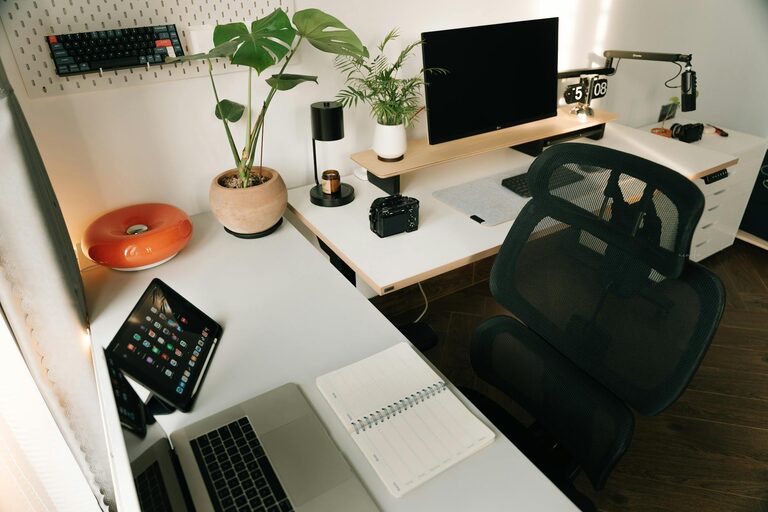
Organize your desk so that frequently used items such as your computer, notepads, and pens are easy to access. This reduces unnecessary movement and helps maintain focus.
Create a Calm Atmosphere
Use Soothing Colors
Soft, neutral colors like light blues, greens, or beige can create a tranquil vibe. Avoid overly bright or bold colors that may cause visual fatigue or distraction.
Add Personal Touches
Include items that make you feel relaxed and inspired, such as plants, artwork, or a favorite mug. Greenery not only beautifies your space but can also improve air quality.
Manage Clutter
Keep your workspace tidy by regularly decluttering. Use storage boxes, shelves, or desk organizers to keep supplies orderly. A clean space helps clear your mind and supports concentration.
Optimize Technology Setup
Invest in Good Equipment
Ensure your computer, monitor, keyboard, and mouse are comfortable and suited to your work. Using quality equipment reduces strain and improves efficiency.
Reduce Screen Glare
Position your monitor to avoid glare from windows or lights. Consider a screen protector or adjust your display settings for optimal comfort.
Use Headphones for Focus
Noise-cancelling headphones can help block out distractions, especially if you share your home with others or work near background noise.
Establish a Routine and Boundaries
Dedicated Work Hours
Set clear work hours to create structure and prevent burnout. Inform household members about your schedule to minimize interruptions.
Take Regular Breaks
Incorporate short breaks to stretch or move away from your workspace. Breaks refresh your mind and help prevent fatigue.
Incorporate Relaxation Techniques
Breathing Exercises
Simple deep breathing exercises can calm your mind when feeling stressed or overwhelmed.
Desk Yoga or Stretching
Perform gentle stretches at your desk to relieve tension in your shoulders, neck, and back.
Use Calming Scents
If you enjoy aromatherapy, consider subtle scents like lavender or eucalyptus to promote relaxation.
Lighting and Sound Controls
Adjustable Lighting
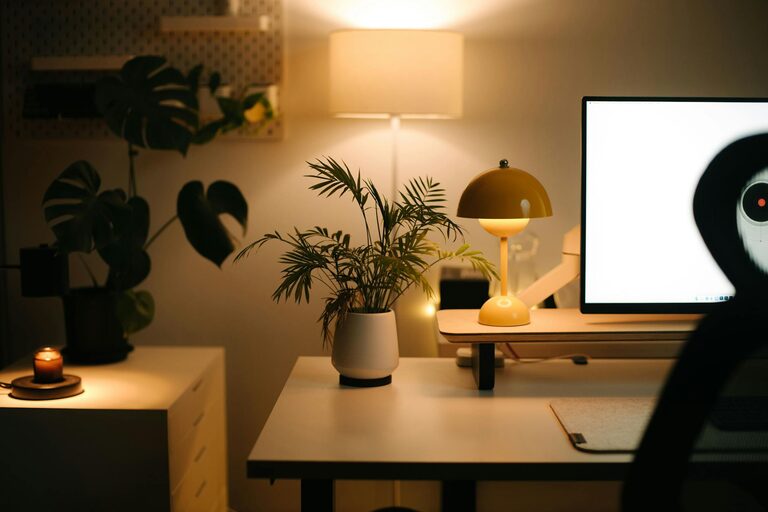
Use lamps with dimmers or adjustable brightness to customize your workspace lighting according to the time of day or task.
Ambient Sound
Background music, white noise, or nature sounds can enhance focus and create a calming audio environment. Experiment to find what works best for you.
Final Thoughts
Creating a relaxing home workspace is a personal process that blends functionality and comfort. Small adjustments in lighting, furniture, organization, and atmosphere can make a big difference in your daily work experience. By fostering a calming environment, you not only boost productivity but also support your overall well-being — making work from home an enjoyable and efficient endeavor.
Start with one or two changes today, and gradually tailor your workspace to meet your unique needs. Your productivity and comfort will thank you!
About the Author