Creating a workspace at home that is both cozy and functional can significantly improve your productivity and overall well-being. Whether you are working remotely full-time or need a dedicated spot for occasional tasks, designing an area that feels inviting while meeting your needs is essential. In this post, we’ll explore practical tips to help you build a home workspace that balances comfort and efficiency.
Why a Cozy and Functional Workspace Matters
A well-designed home office can reduce distractions, increase focus, and make working more enjoyable. Comfort helps you stay relaxed, while functionality ensures everything you need is within reach. Together, these factors promote better work habits and improve your overall performance.
Choosing the Right Spot for Your Workspace
Consider Natural Light
Whenever possible, select a location with plenty of natural light. Natural sunlight improves mood and energy, which can enhance concentration. Position your desk near a window, but be mindful of glare on your computer screen.
Minimize Noise and Distractions
Try to find a quiet area in your home. If that’s challenging, noise-canceling headphones or a white noise machine can help. Avoid high-traffic zones to reduce interruptions.
Utilize Available Space Wisely
You don’t need a large room for a functional workspace. A small corner or a nook can be transformed into an efficient work area with smart organization and furniture choices.
Essential Furniture and Equipment
Invest in an Ergonomic Chair
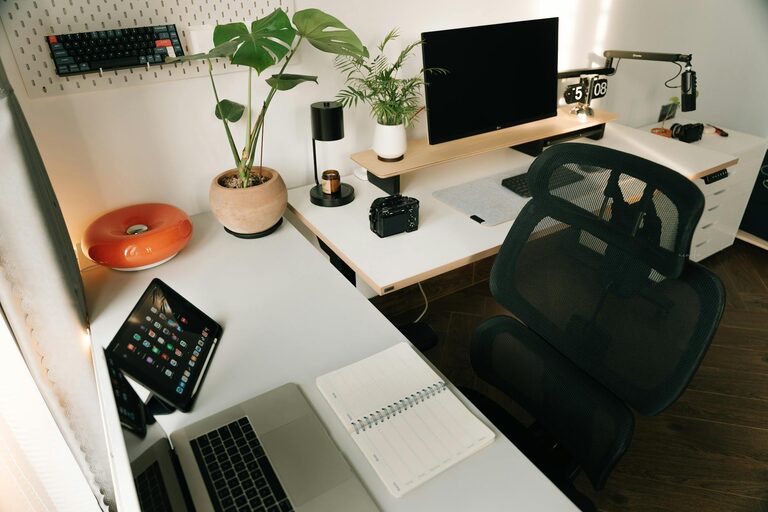
Comfort is key to spending productive hours at your desk. Choose a chair that provides good lumbar support and allows you to sit with your feet flat on the floor and elbows at a 90-degree angle.
Choose a Suitable Desk
Your desk should be large enough to hold your computer, phone, and work materials while leaving space to move freely. Adjustable desks can be great if you want the option to sit or stand.
Consider Additional Furniture
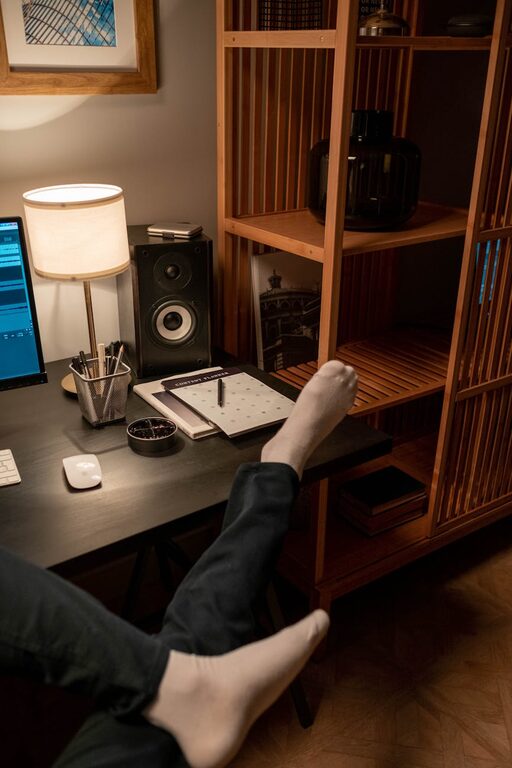
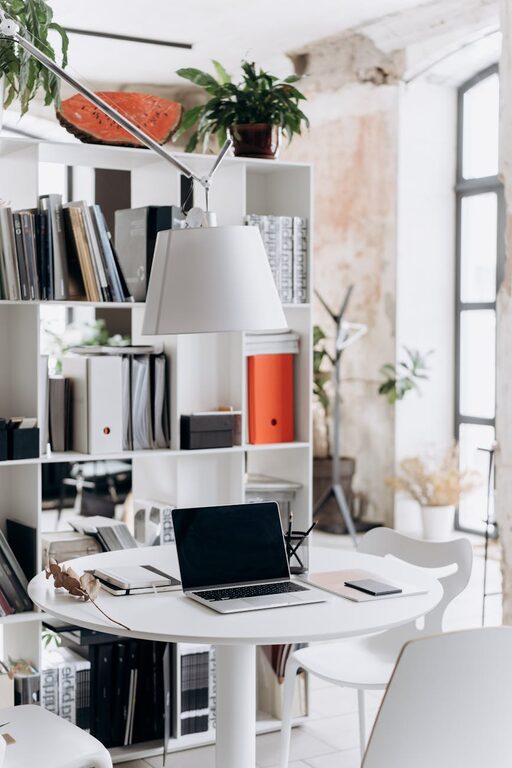
Shelving units, filing cabinets, or rolling carts can help keep your workspace tidy and organized without taking up valuable desk space.
Organizing Your Workspace
Keep Essentials Nearby
Store frequently used items—like pens, notebooks, and chargers—within arm’s reach to maintain workflow and minimize distractions.
Use Cable Management Solutions
Tidy cables prevent clutter and can reduce stress. Use cable clips, ties, or even a cable management box to keep wires organized.
Incorporate Storage Solutions
Use drawer organizers, baskets, or trays to keep your supplies sorted. Labeling containers can save time when searching for specific items.
Adding Comfort and Personality
Select Soothing Colors
Colors can influence mood; soft blues, greens, or neutral shades often create a calm environment. You can add pops of your favorite colors through accessories like cushions or desk mats.
Incorporate Soft Textures
Add a comfortable rug, cozy throw blankets, or cushions to make your workspace feel warm and inviting.
Personalize with Décor
Display a few personal items like photos, plants, or artwork to make the space your own without overcrowding it.
Lighting Your Workspace Efficiently
Use Layered Lighting
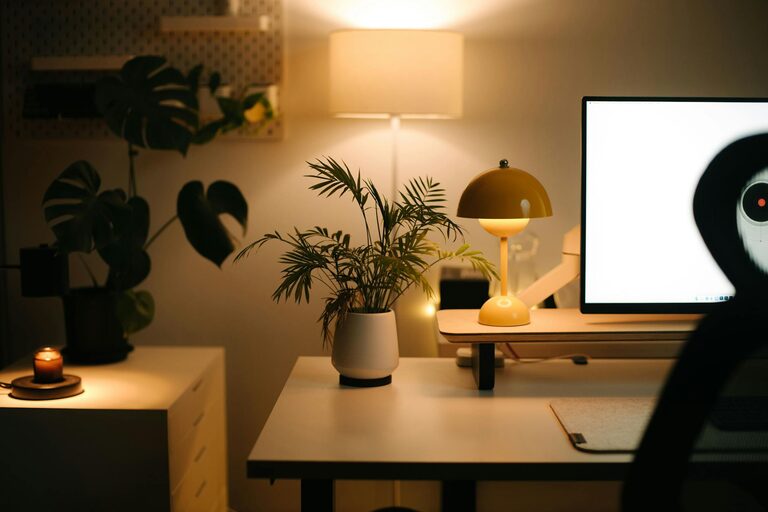
Combine overhead lighting with task lighting, such as desk lamps, to reduce eye strain. Adjustable lamps can help you focus light exactly where needed.
Avoid Harsh Lights
Soft, warm light tends to be easier on the eyes than bright, cool white light. Consider bulbs with adjustable brightness settings.
Technology and Connectivity Tips
Reliable Internet Connection
Ensure your workspace has a strong and stable internet connection. If your Wi-Fi signal is weak, a range extender or wired connection may be necessary.
Organize Digital Devices
Keep your phone and computer charging stations organized, and consider wireless charging pads to reduce cords.
Maintaining Your Workspace
Establish a Routine
Start and end your workday with a quick tidy-up to keep clutter at bay. This habit can help you mentally separate work hours from downtime.
Regularly Refresh Your Space
Every few weeks, reassess your space. Remove unnecessary items, clean surfaces, and rotate décor to maintain a fresh and motivating environment.
—
By thoughtfully combining comfort with practicality, you can create a home workspace that not only supports your daily tasks but also feels welcoming and personal. With these tips in mind, you’re well on your way to designing a space where productivity and relaxation coexist seamlessly.
About the Author