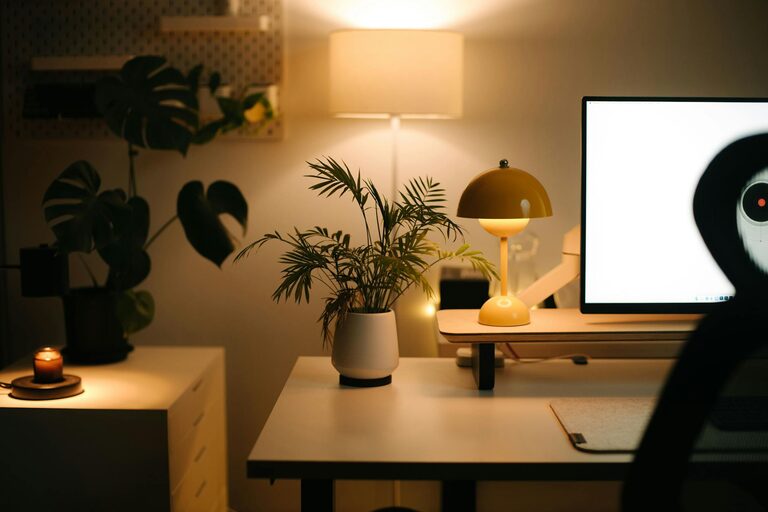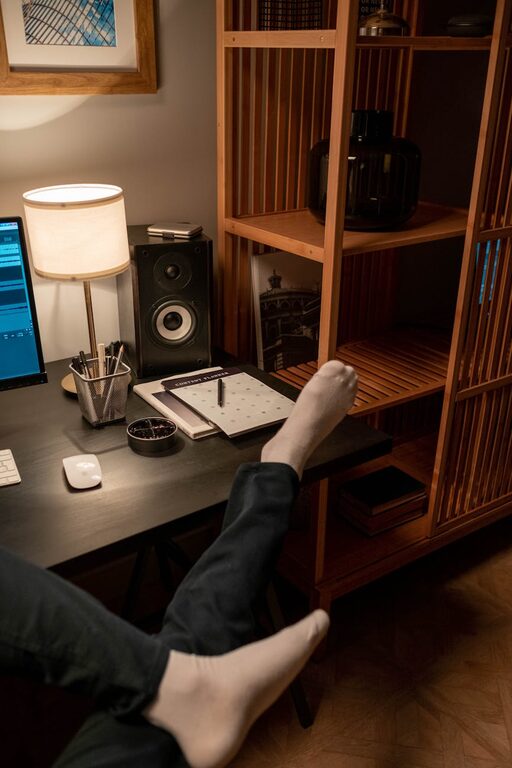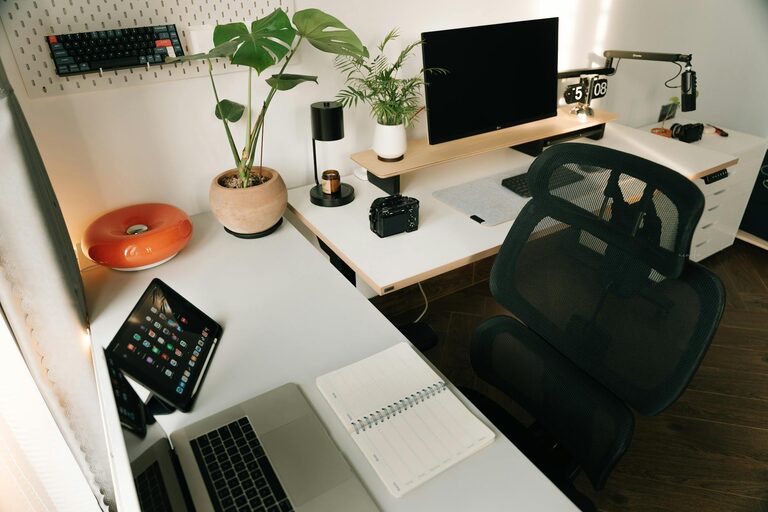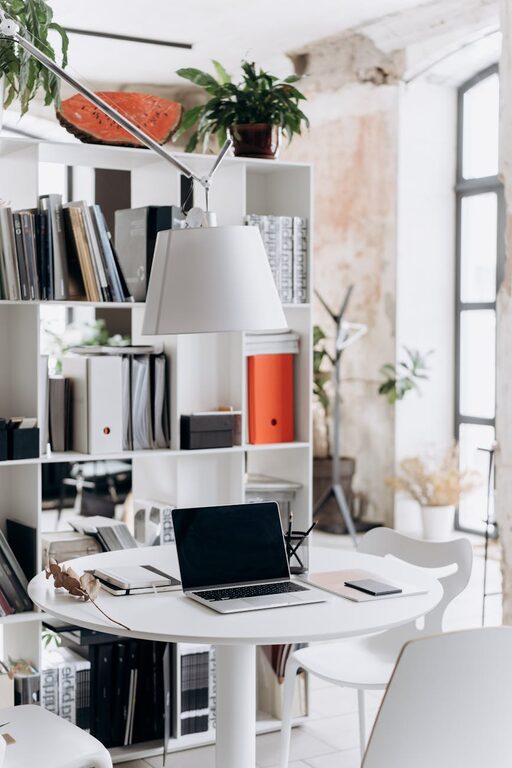
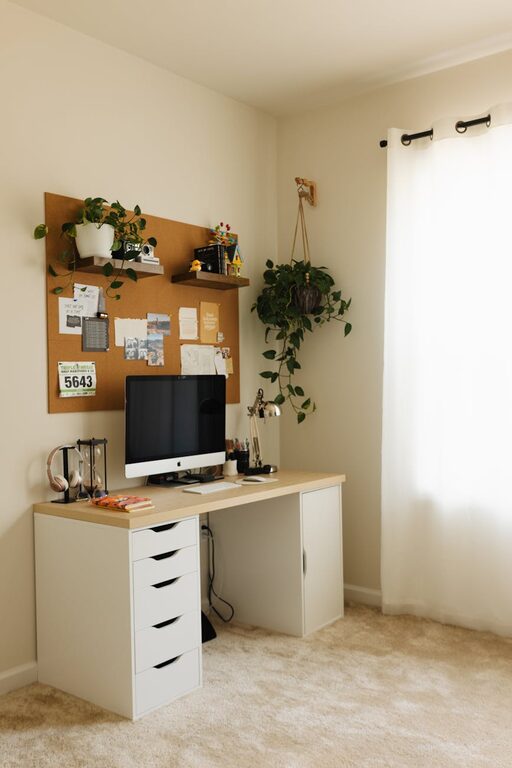
Creating a home office that is both cozy and productive can greatly enhance your work-from-home experience. Whether you’re a freelancer, a remote employee, or someone who occasionally works from home, having a designated space that supports your focus and comfort makes all the difference. In this post, we’ll explore practical tips to help you design a home office that meets both your personal and professional needs.
Choose the Right Location
Selecting the ideal spot for your home office is the foundation of a productive workspace.
– Consider natural light: Aim for a space near a window to benefit from daylight, which can boost mood and energy.
– Minimize distractions: Pick a quiet area away from high-traffic zones like the kitchen or living room.
– Assess space needs: Ensure you have enough room for your desk, chair, and any essential equipment or storage.
Invest in Comfortable Furniture
Comfort plays a critical role in maintaining focus and preventing fatigue.
– Ergonomic chair: Choose a chair that supports good posture with adjustable height and lumbar support.
– Appropriate desk: Select a desk with enough surface area to organize your computer, paperwork, and work tools.
– Adjustable setups: Consider sit-stand desks or accessories like monitor risers to reduce strain.
Optimize Lighting
Good lighting reduces eye strain and enhances productivity.
– Balance natural and artificial light: Use daylight as much as possible and complement it with adjustable desk lamps.
– Avoid glare: Position screens to reduce reflections and use curtains or blinds when needed.
– Warm lighting: Soft, warm-toned bulbs create a cozy atmosphere without causing fatigue.
Personalize Your Space
Adding personal touches can make your office feel inviting and boost motivation.
– Add greenery: Houseplants help purify the air and add a calming vibe.
– Choose appealing decor: Artwork, photos, or inspirational quotes can create a positive environment.
– Use color wisely: Incorporate colors that encourage focus, such as blues and greens, or accents that energize, like yellows.
Organize and Declutter
An organized workspace helps clear your mind and improves efficiency.
– Use storage solutions: Shelves, drawers, and containers keep supplies tidy.
– Keep essentials within reach: Arrange frequently used items nearby to minimize distractions.
– Maintain a clean desk: Regularly clear unnecessary clutter to create a peaceful atmosphere.
Incorporate Technology Wisely
Reliable and well-placed technology enhances workflow without overwhelming the space.
– High-speed internet: Ensure your connection is stable to avoid interruptions.
– Cable management: Use clips or sleeves to keep cords neat and prevent tangling.
– Quality peripherals: Invest in a good keyboard, mouse, and headphones to improve comfort and focus.
Set Boundaries for Work and Relaxation
Separating work time from relaxation helps maintain balance.
– Define work hours: Stick to a schedule and use your office space only for work during those times.
– Create a transition ritual: Simple actions like closing your laptop or changing clothes can signal the end of the workday.
– Avoid overworking: Take breaks and step away from your desk to reduce burnout.
Add Comfort Elements
Small touches can enhance coziness and make your office a place you enjoy spending time.
– Soft textiles: Use cushions, rugs, or cozy blankets to add warmth.
– Temperature control: Keep the room comfortable with fans, heaters, or air purifiers as needed.
– Background sounds: Consider white noise machines or soft music to mask distractions.
—
By thoughtfully designing your home office with comfort and productivity in mind, you’ll create a space that supports your best work while feeling inviting. Remember that the ideal office looks different for everyone, so tailor these tips to fit your personal preferences and needs. With a cozy and efficient workspace, working from home can become a more enjoyable and productive experience.
About the Author