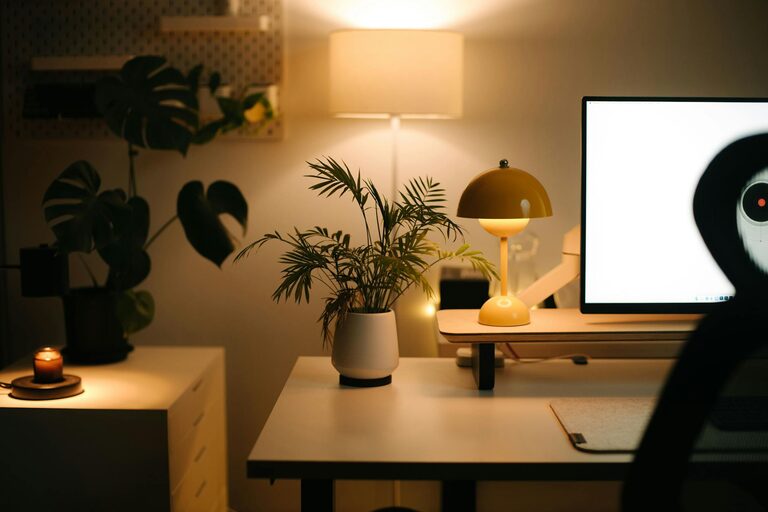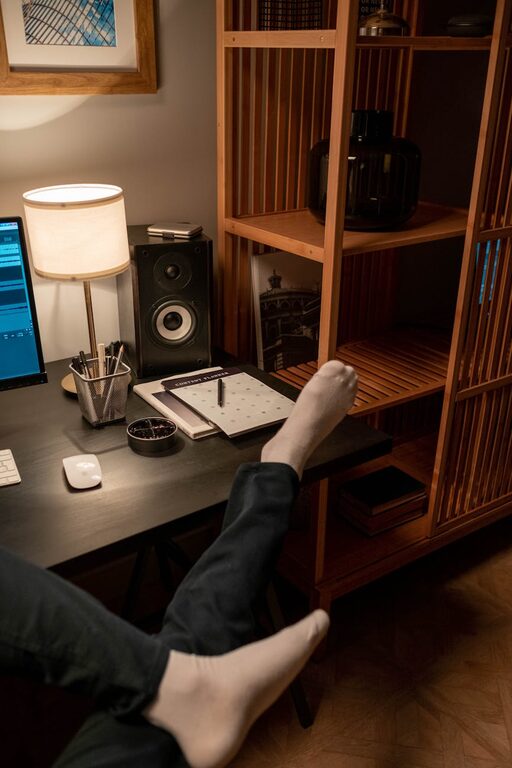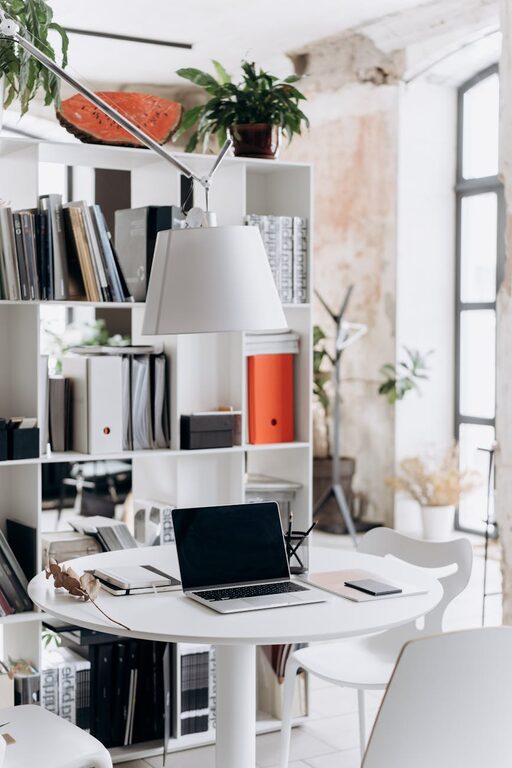
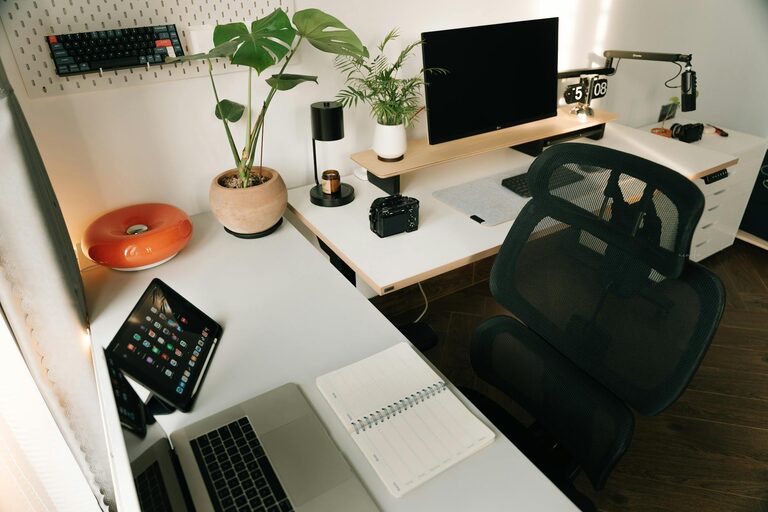
Creating a comfortable and productive home office is essential for anyone working remotely or managing tasks from home. A well-designed workspace can help you stay focused, reduce stress, and improve your overall work experience. Whether you have a dedicated room or a small corner, these tips will guide you in setting up a home office that suits your needs.
Choose the Right Location
Selecting the best spot for your home office is the first step. Ideally, pick a quiet area that minimizes distractions and has enough space for your work essentials.
– Natural Light: Position your desk near a window if possible. Natural light reduces eye strain and can boost your mood.
– Privacy: Choose a location where you can close the door or separate the space from busy household areas.
– Noise Levels: If noise is a concern, consider using noise-cancelling headphones or adding soundproofing materials.
Invest in Ergonomic Furniture
Comfort plays a vital role in productivity. Ergonomic furniture supports good posture, reduces fatigue, and prevents pain.
– Ergonomic Chair: Choose a chair with adjustable height, lumbar support, and comfortable cushioning.
– Desk: Pick a desk with enough surface area for your computer, notepad, and other supplies. Standing desks or adjustable desks can offer added flexibility.
– Monitor Placement: Position your monitor at eye level to avoid neck strain.
Organize Your Workspace Effectively
An organized desk helps you focus and reduces wasted time searching for materials.
– Declutter Regularly: Remove unnecessary items daily or weekly to keep your space tidy.
– Use Storage Solutions: Utilize shelves, filing cabinets, and desk organizers for papers, stationery, and electronics.
– Cable Management: Use clips or cable sleeves to keep cords neat and avoid tangling.
Optimize Lighting
Proper lighting reduces eye strain and keeps you alert.
– Task Lighting: Use a desk lamp with adjustable brightness to illuminate your work area.
– Avoid Glare: Position your light sources or monitor to prevent glare.
– Balanced Lighting: Combine natural and artificial light for a pleasant environment.
Personalize Your Space
Adding personal touches can increase motivation and make your workspace inviting.
– Plants: Indoor plants improve air quality and provide a calming effect.
– Artwork: Hang pictures or posters that inspire you.
– Color Choices: Use colors that help you feel focused and relaxed, like blues or greens.
Manage Distractions
Minimizing distractions helps maintain focus throughout the day.
– Set Boundaries: Communicate your work schedule to family or housemates.
– Use Headphones: Noise-cancelling headphones can block out background noise.
– Limit Phone Notifications: Silence non-essential alerts during work hours.
Create a Routine
Establishing a daily routine can improve productivity and work-life balance.
– Set Working Hours: Define clear start and end times.
– Take Breaks: Use short breaks to stretch and rest your eyes.
– Stay Hydrated and Snack Mindfully: Keep water and healthy snacks nearby.
Use Technology Wisely
The right technology can streamline your tasks and improve efficiency.
– Reliable Internet: Ensure a stable internet connection to avoid disruptions.
– Essential Tools: Use software for task management, communication, and note-taking.
– Backup Plans: Regularly back up important files to avoid data loss.
Maintain Air Quality and Comfort
A comfortable atmosphere supports concentration and well-being.
– Ventilation: Keep windows open when possible to allow fresh air circulation.
– Temperature Control: Use fans or heaters to maintain a comfortable temperature.
– Air Purifiers: Consider using purifiers if your home has allergens or poor air quality.
Keep Your Workspace Flexible
Sometimes, changing your environment can boost creativity and reduce fatigue.
– Alternate Workspots: Use different areas in your home occasionally to change scenery.
– Mobile Workspace: Work on a laptop or tablet from a couch or dining table when appropriate.
– Standing Breaks: Incorporate standing or walking while working if your setup allows.
—
Designing a home office that blends comfort with productivity is an investment in your work success and personal well-being. By choosing the right location, investing in ergonomic furniture, organizing effectively, and managing distractions, you can create a workspace that invites focus and creativity every day. Remember, your home office should work for you—feel free to adjust and personalize the space as your needs evolve.
About the Author