
Creating a home office that is both cozy and productive can make a significant difference in how you feel and perform throughout your workday. Whether you work remotely full-time, occasionally answer emails from home, or have a side hustle, a well-designed workspace tailored to your needs enhances focus and comfort. Here are some practical tips to help you build a home office space that invites creativity and efficiency.
Choose the Right Location
The first step to a productive home office is finding the best spot. Ideally, select a quiet corner with minimal distractions. If possible, choose a room with a door that can close to block household noise. Natural light is a huge plus, so look for a location near a window to boost your mood and reduce eye strain. If your options are limited, consider using room dividers or noise-cancelling headphones.
Invest in a Comfortable Chair and Desk
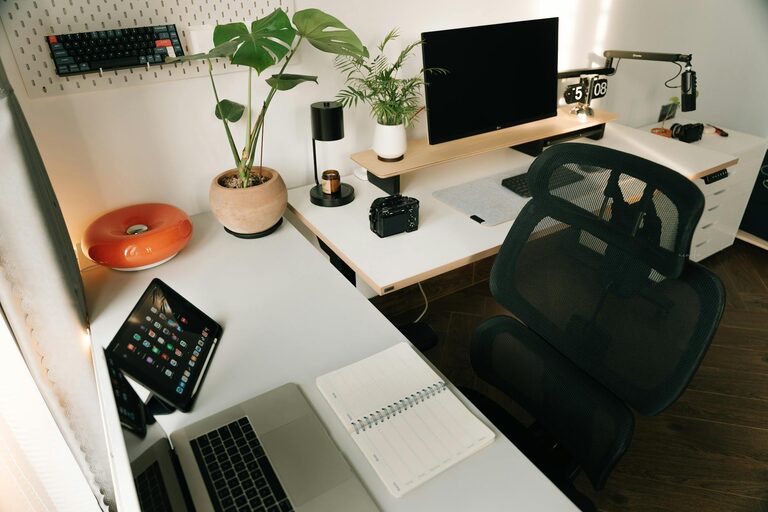
Your furniture plays a vital role in comfort and health. Invest in an ergonomic chair that supports your back and encourages good posture. Avoid sitting on couches or stools for extended periods, as this can lead to discomfort. Pair your chair with a desk at the right height to avoid strain on your wrists and shoulders.
If space allows, consider a desk that can adjust to standing height, letting you alternate between sitting and standing during the day. This variation can increase blood flow and reduce fatigue.
Optimize Lighting for Comfort and Focus
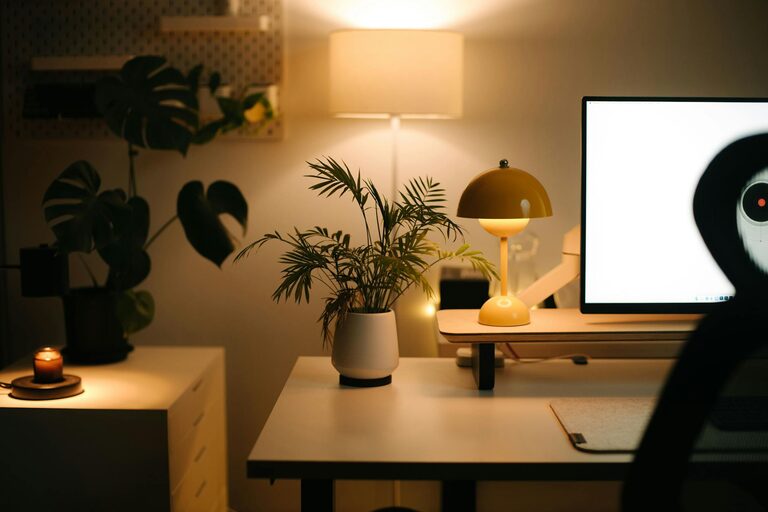
Proper lighting can reduce eye strain and create a welcoming atmosphere. Utilize natural daylight as much as possible, positioning your desk near a window. Supplement with adjustable artificial lighting such as desk lamps or floor lamps that provide bright, even illumination without glare.
Warm light bulbs create a cozy ambiance, while cooler bulbs may help with focus depending on your preference. Avoid overhead fluorescent lights if they cause discomfort or headaches.
Organize with Functional Storage
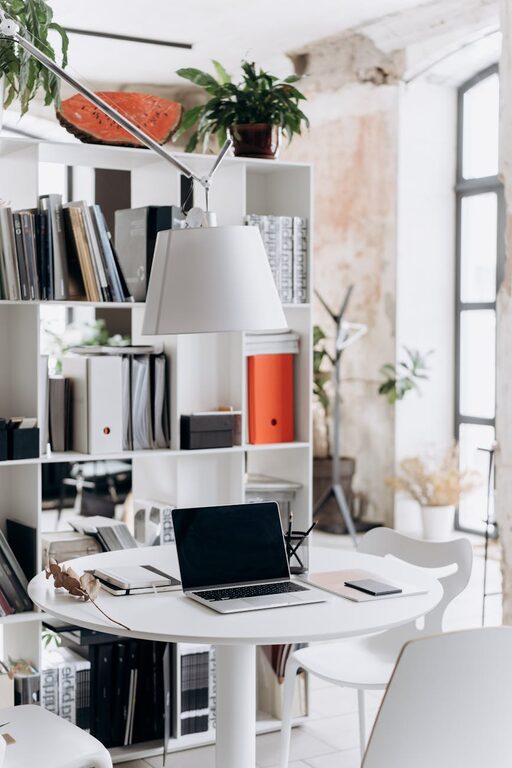
Clutter can distract you and decrease productivity. Incorporate storage solutions to keep your workspace tidy. Use shelves, drawers, or filing cabinets to store documents, supplies, and equipment. Label storage containers for easy access and regular cleanup.
Consider wall-mounted organizers or bulletin boards to keep important notes or deadlines visible without cluttering your desk.
Personalize Your Workspace
Adding personal touches can make your home office feel inviting and motivate you throughout the day. Display artwork, plants, or meaningful objects that inspire you. Greenery improves air quality and adds a refreshing natural element.
Choose colors and decor that soothe you and match your style, but avoid overly busy designs that might distract you.
Minimize Distractions
It’s common to face distractions at home. Set clear boundaries with family or roommates during your work hours. Use noise-cancelling headphones or white noise machines if needed.
Keep your phone on silent or in another room to focus better. If you struggle with digital distractions, use apps that block distracting websites temporarily.
Establish a Routine and Dedicated Workspace
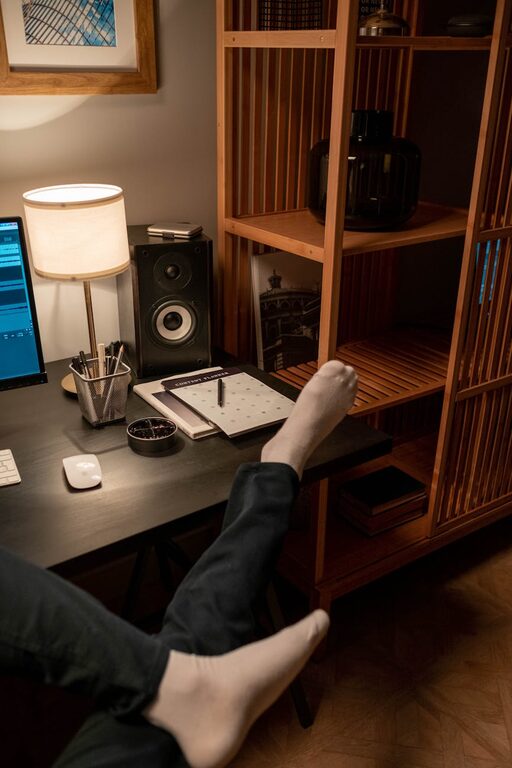
Having a dedicated area exclusively for work helps your mind separate “work” from “relaxation.” Make sure your office is used just for professional tasks, not lounging or watching TV.
Develop a daily routine that includes starting work at a consistent time, taking scheduled breaks, and ending your day properly. Standing up and stretching periodically helps prevent physical discomfort.
Keep Technology Efficient and Updated
Ensure your computer, internet connection, and peripherals like printers or scanners work smoothly. A slow or unreliable setup can interrupt your workflow and increase frustration.
Use cable organizers to keep cords neat and prevent tangling. Regularly update software and perform backups to avoid disruptions.
Add Comfort with Textiles and Temperature Control
Bring in textiles such as soft rugs, cushions, or curtains to soften the space and absorb sound. Adjust the room temperature to a comfortable level for working—this may mean a fan, heater, or adjustable thermostat depending on your climate.
Having a small space heater or fan within reach can quickly improve comfort.
Incorporate Movement and Break Areas
If space allows, include a small area for stretching or brief exercise. Incorporate your breaks into your routine to increase productivity and reduce burnout.
It could be a yoga mat, a foam roller, or a corner with a comfortable chair for quick mental replenishment.
—
By thoughtfully combining these tips, you can create a home office that supports both comfort and productivity. Remember, this space should work for your unique needs. Feel free to adjust your setup as you discover what helps you focus best and enjoy your work-from-home experience.
About the Author